


The Tangle Syx Vibe
Rustic, yet Refined
Clothes that are durable, functional, and feminine. Easy to wear and easy to care for. Clothes that help you to feel like your best self and won’t hold you back from whatever your day brings. Because you shouldn’t have to think about what you’re wearing before you do what’s next.


A Force for Good
Clothing is not just about being fashionable. It's also about the materials, the manufacturing, and the packaging. It's about how they affect the land and the lives they touch along the way, from beginning to end. We strive for progress not perfection, and we always strive to cultivate strength, joy, and sustainability.

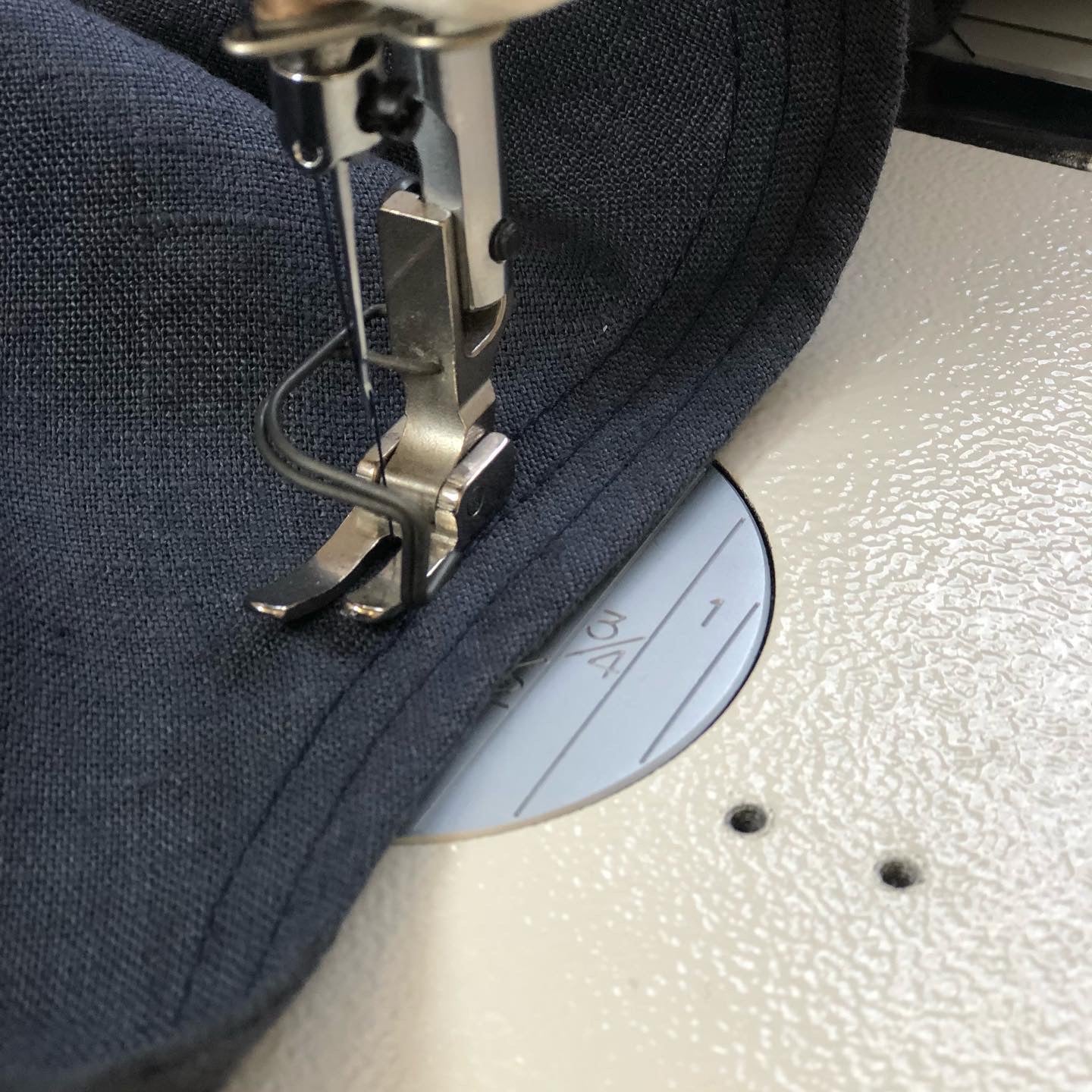
Made in a USA MicroFactory
All clothing and accessories are designed, cut, and sewn in our sewing studio on the Coast of Maine.
Natural Fibers
Made from linen, hemp, and cotton. (No Spandex allowed), and sewn with cotton thread. Note that items made from thrifted or deadstock fabrics may contain synthetic fibers.
Plastic-Free Packaging
We use paper-based packing and shipping materials from EcoEnclose.

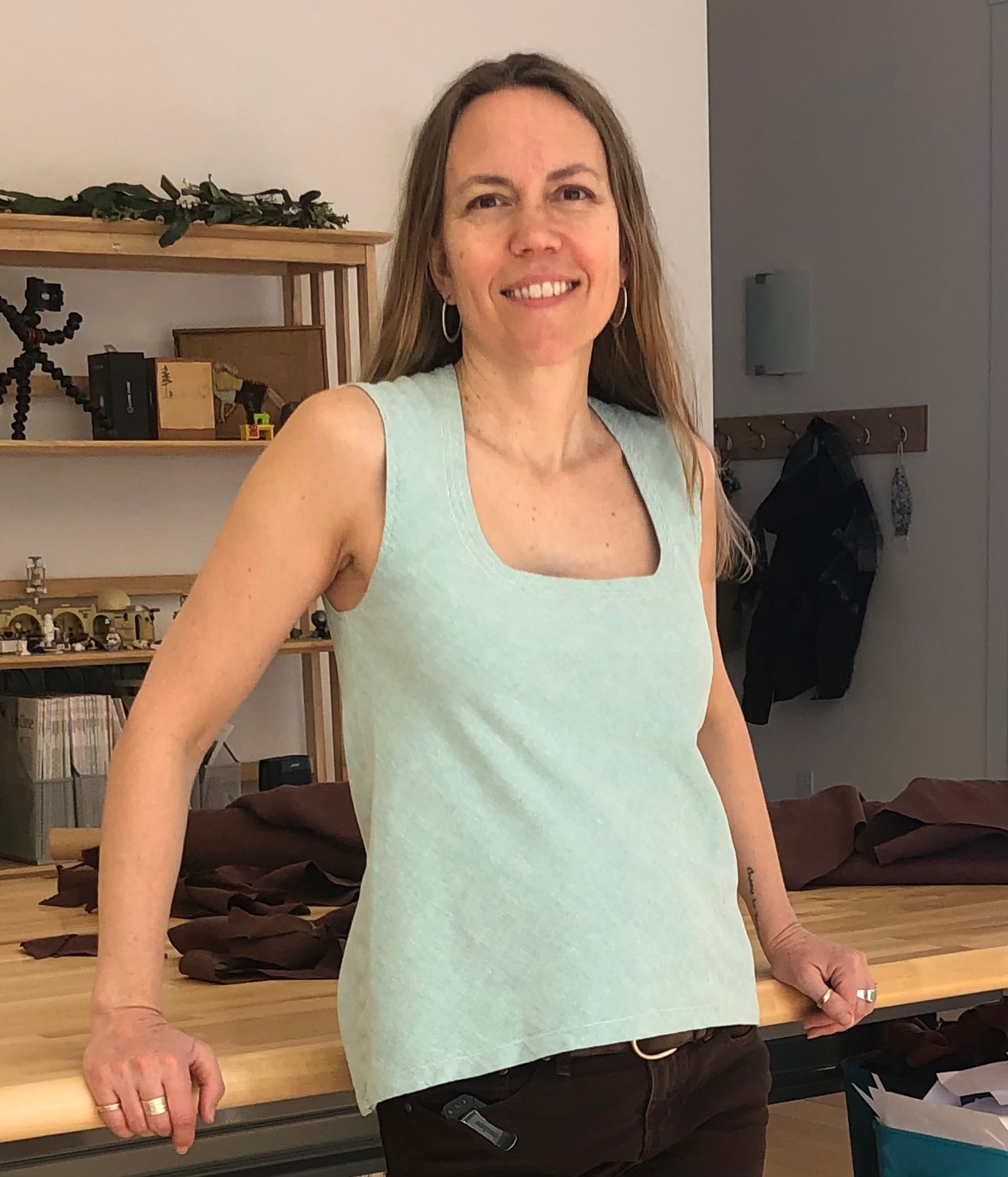
About Alyssa
I’ve always been drawn to fashion, textiles, and sewing, but it took me a good long while to put all the pieces of my life together into creating Tangle Syx. I’m not sure where all of the years from my 20’s through my 40’s went, but they included working in the mortgage industry, freelance writing, becoming a mother of twins, and caring for my husband who died in 2016, from FTD, an early-onset dementia.
In 2017, I became a volunteer facilitator for a monthly AFTD support group that I have been leading for the past nine years. And in 2020, I opened Tangle Syx, A Slow Fashion Workshop, wherein I design and manufacture clothing, teach others to sew, and work on a variety of other sewing projects that come my way.